




The sunken town of Sipar
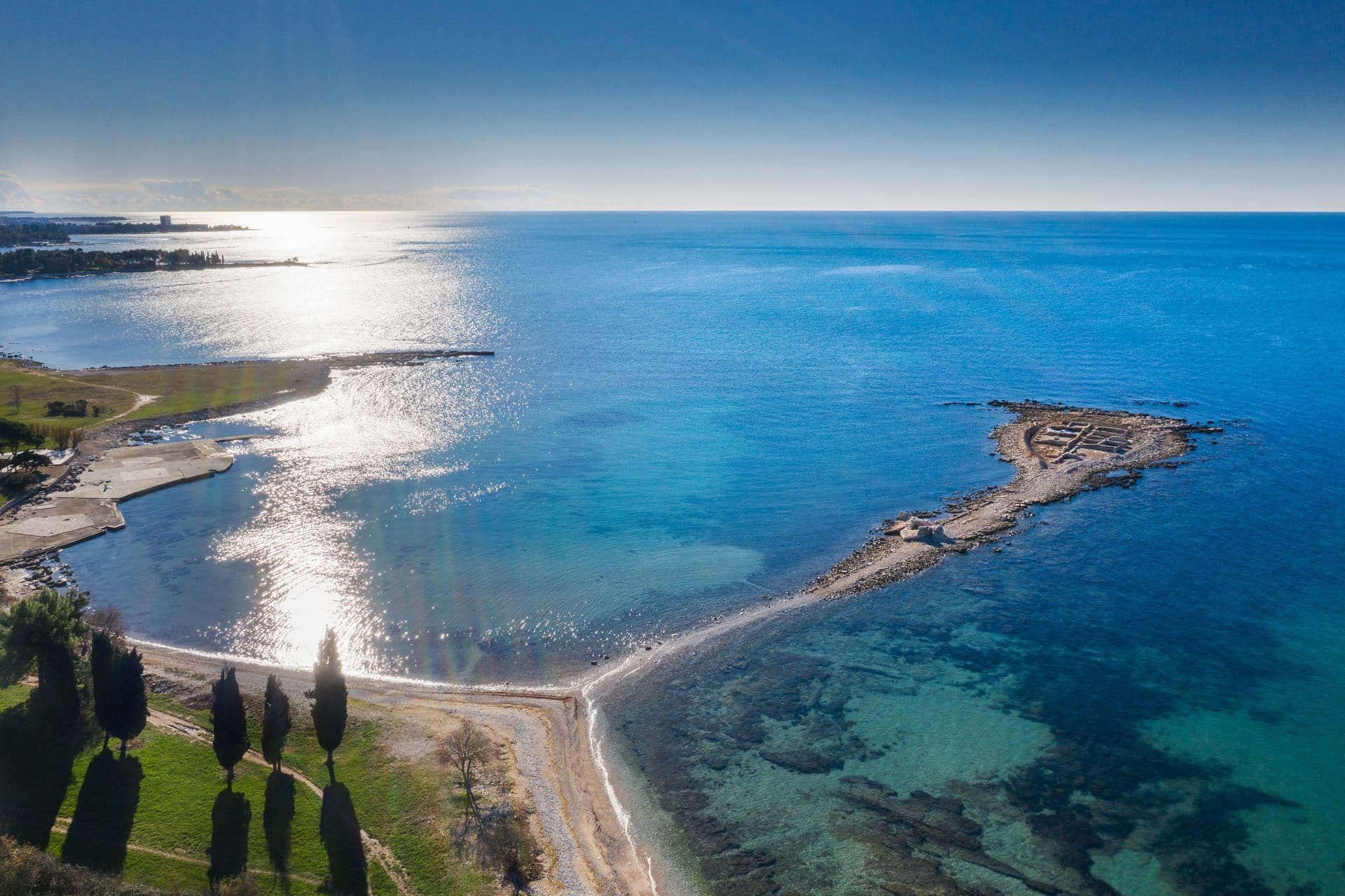
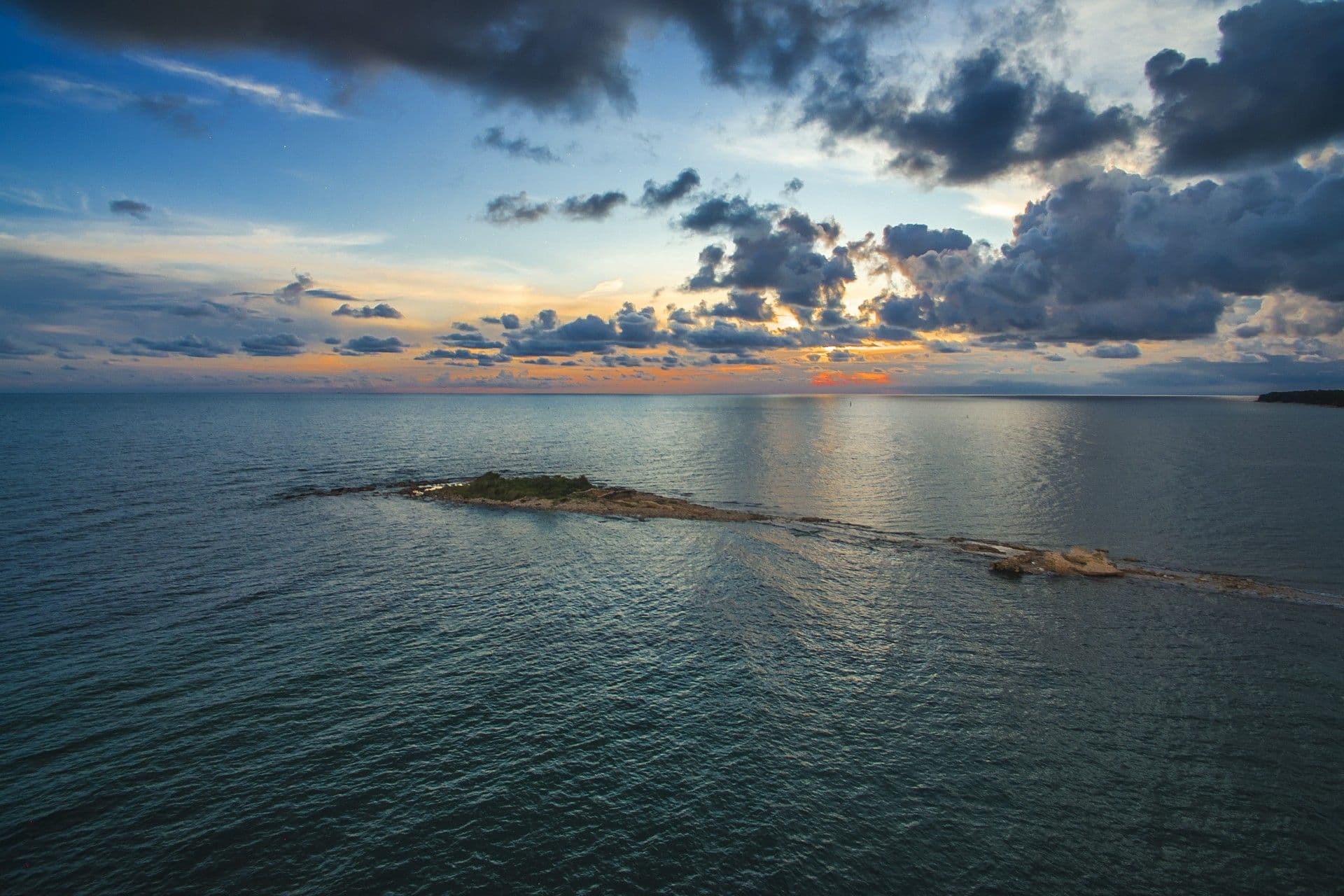
One of the most picturesque archaeological sites on Istria’s west coast, Sipar lies on a small peninsula about 4 km north of Umag. A narrow sandbar connects it to the mainland, but at high tide the sea covers the crossing, temporarily turning this remarkable site into an island.
More Than Two Thousand Years of History
Archaeological evidence suggests the Romans established a military outpost here in the late 2nd century BC. Once peace was secured, a settlement believed to have been known as Insula Sepomaia developed on the site and remained in use until the end of the 1st century.
In the mid-6th century, the Byzantines built a military fortification on the peninsula facing the mainland, while a new Late Antique settlement, civitas Sipparis/Sapparis, grew behind it. Over time, it became an important centre of trade and commerce on this part of the Adriatic, until it was destroyed, probably in 876, in an attack traditionally associated with the Neretvan prince Domagoj.
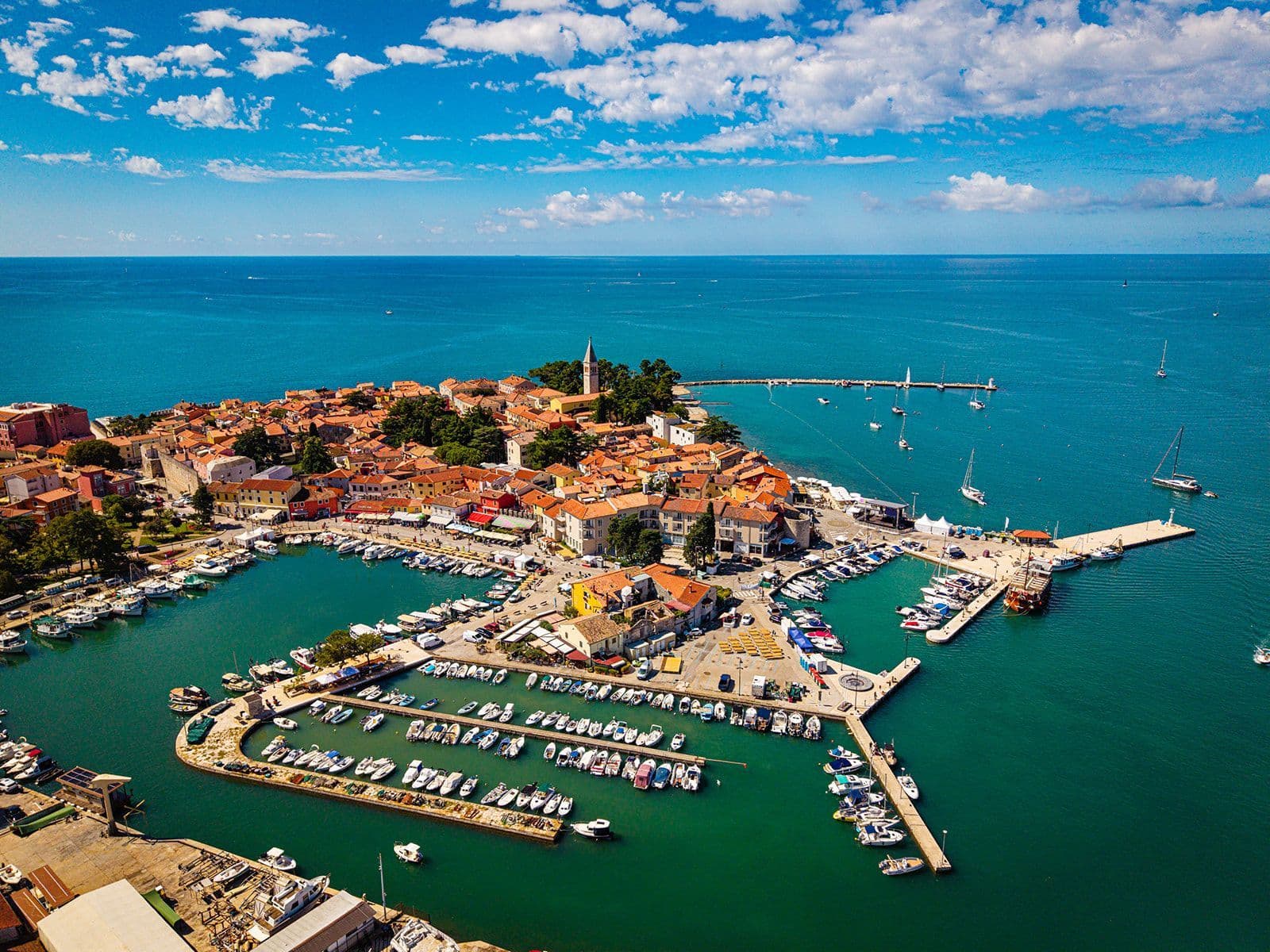
In the late Middle Ages, the Bratti family built a castle on the eastern side of the peninsula, although most of its remains have since been lost to the destructive force of the sea. After Sipar declined, the leading role on this part of the Istrian coast passed to nearby Humagum, which gradually developed into present-day Umag.
Secrets Revealed Through Layers of History
Sipar’s turbulent past can still be traced through a succession of archaeological layers spanning Antiquity, the Byzantine period and the early Middle Ages. The site is also mentioned in historical written sources, while finds including pottery, coins, glass, metal objects and building remains tell the story of a place that was connected for centuries to the Adriatic’s maritime and trade routes.
What Remains of Sipar?
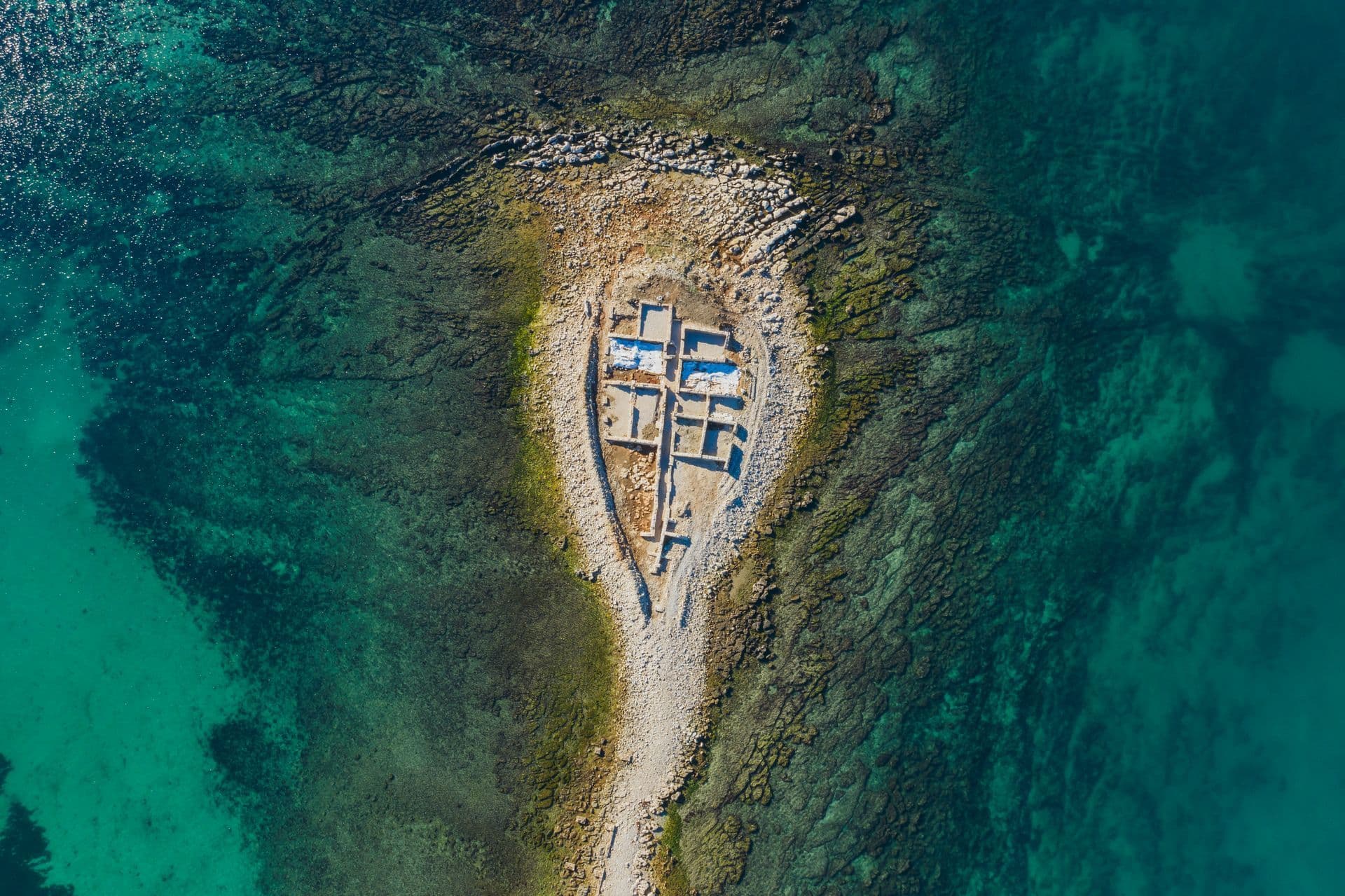
At particularly low tide, parts of the Sipar archaeological site rise from the sea like stone witnesses to the past. Excavations have uncovered a Roman agricultural building with supporting piers, a pentagonal defensive tower with walls, and remains of a settlement that was repeatedly rebuilt and altered over the centuries.
Numerous fragments of amphorae, pottery and glass have been found here, along with bone objects, stone whetstones, part of a millstone and 111 coins, including a notable group of Roman Republican denarii. These finds show that Sipar was far more than a fortification: it was a living settlement where people lived, produced goods and traded for centuries.
Today, the sea is both Sipar’s greatest threat and part of what makes the site so striking – a place where history quite literally emerges from the water.





Destinations
Additional Information


©2026 Colours of Istria. All rights reserved. No part of this site may be reproduced without our written permission.
